
STRATEGIC PARTNERSHIPS
CORAL GARDENERS
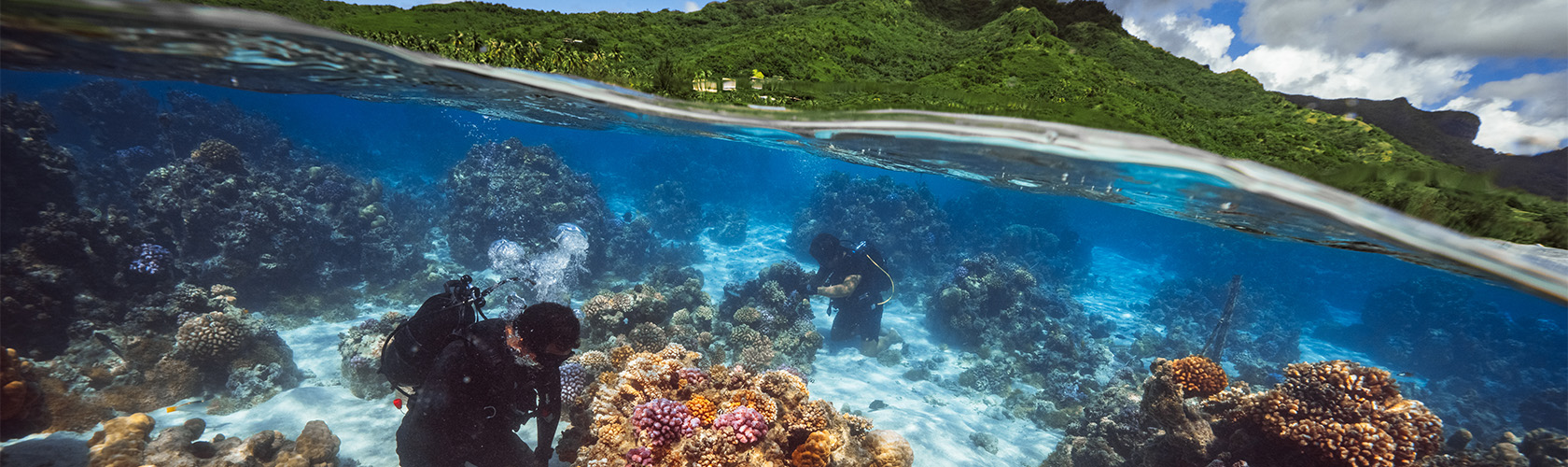
Coral Reefs are one of the most diverse and valuable ecosystems on earth, providing shelter, food, and breeding grounds for a vast array of marine life. Their ecological significance extends far beyond their immediate boundaries, impacting coastal protection, fisheries, and even human health. We have already lost about half of the earth’s coral population and without decisive action, this trend is expected to continue at a rapid pace.
After witnessing the devastating impact of coral bleaching on the island where they were raised, in French Polynesia, Titouan Bernicot and his friends decided to take action against the rapid degradation of reef ecosystems. Established in 2017, Coral Gardeners (CG) has evolved into a global collective comprising of scientists, engineers, creators, and advocates determined to revolutionize the field of ocean conservation using digital tools and AI technology. Their main goal is to plant and grow resilient corals to expand reef restoration around the world, and to empower local communities to become coral gardeners as part of a bluer economy. The CG Labs is developing novel AI-based tools and techniques to further their coral knowledge, and improve coral reef restoration and monitoring methodology. Scientists and engineers are continually working together to optimize and scale up coral reef conservation in an open-source, collaborative and effective way.
Since 2024 the HUGO BOSS Foundation supports Coral Gardeners in French Polynesia, Fiji and Thailand to cultivate heat-resilient coral fragments in nurseries, to educate local communities, and to build ocean ecosystems which are fully AI-monitored by their ReefOS system. The planned funding for the period of five years comprises EUR 3.2 million.
IMPACT
With support from the HUGO BOSS Foundation
corals planted
124,530
locals educated
4,110

As we continue to scale up our coral production and expand our international reach, we are thrilled to have the financial backing of the HUGO BOSS Foundation. Without proper action, corals are at risk of disappearing by 2050 with disastrous consequences for life on our Blue Planet. We look forward to further strengthening our collaboration, making a sustainable impact together and working towards our goal of reviving coral reefs worldwide.
GVK SOCIETY
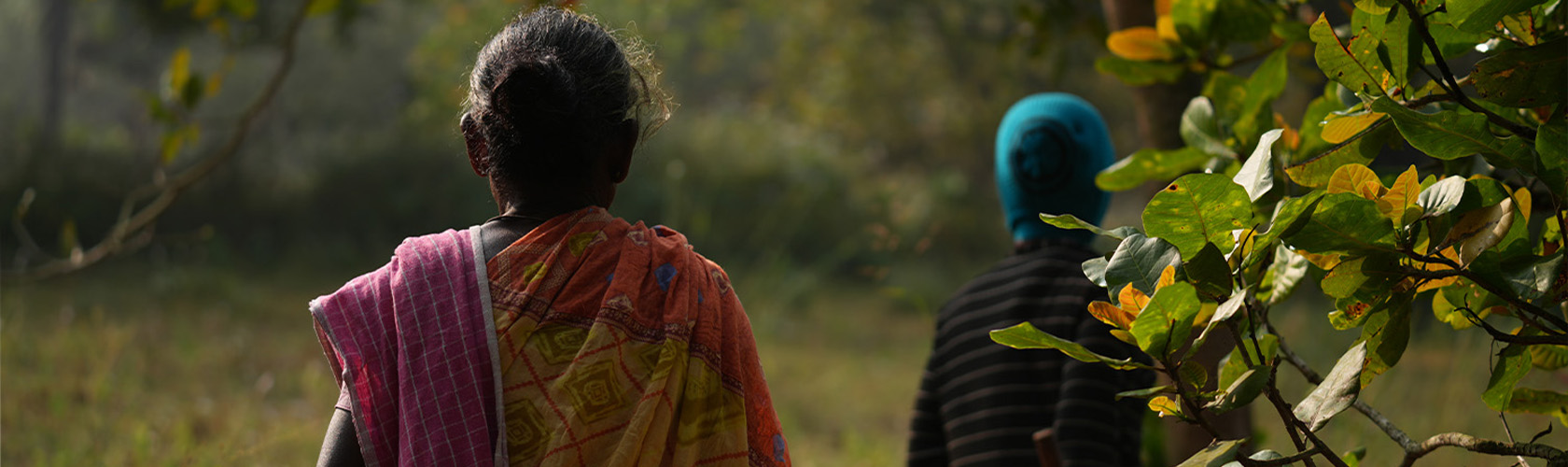
Across many regions of India, small and marginal farmers face low and unstable incomes, limited market access, and mounting climate-related risks like droughts and extreme weather. The Grameena Vikas Kendram Society for Rural Development (GVK Society) is a grassroots non-profit organization with the mission to build regenerative, circular, and socially inclusive agricultural value chains that optimize value for smallholder and indigenous farming communities.
The project supported by the HUGO BOSS Foundation aims to sustainably transform acres of land into thriving regenerative food and fibre landscapes in the Eastern Ghats of Andhra Pradesh in South India. At its core, the initiative empowers smallholder farmers by providing access to improved infrastructure, practical training, and long-term support. This enables them to adopt regenerative practices and become drivers of change within their communities. By improving farming methods and creating more stable and diversified incomes, the project supports long-term prosperity and resilience through crop diversification for local households.
The Foundation’s donation of EUR 500,000 over three years (2023–2026) supports a comprehensive approach to transformation. GVK Society offers regular farmer trainings and uses demonstration plots to introduce climate-adapted regenerative farming practices and diversified crop varieties. In parallel, the organization promotes women-led entrepreneurship initiatives and regenerative agriculture through carbon farming, rainwater conservation, seed banks, farmer cooperatives, and natural pest and disease management.
IMPACT
With support from the HUGO BOSS Foundation
farmers onboarded
1,781
acres transformed into regenerative landscapes
6,417
tons CO2 eq. (est.) sequestered
12,834

The HUGO BOSS Foundation's support transformed our regenerative agriculture initiative from a farming program into a landscape movement, integrating food and fibre systems across the Eastern Ghats to regenerate nature, strengthen communities, and build resilient local economies.
GLOBAL MANGROVE ALLIANCE
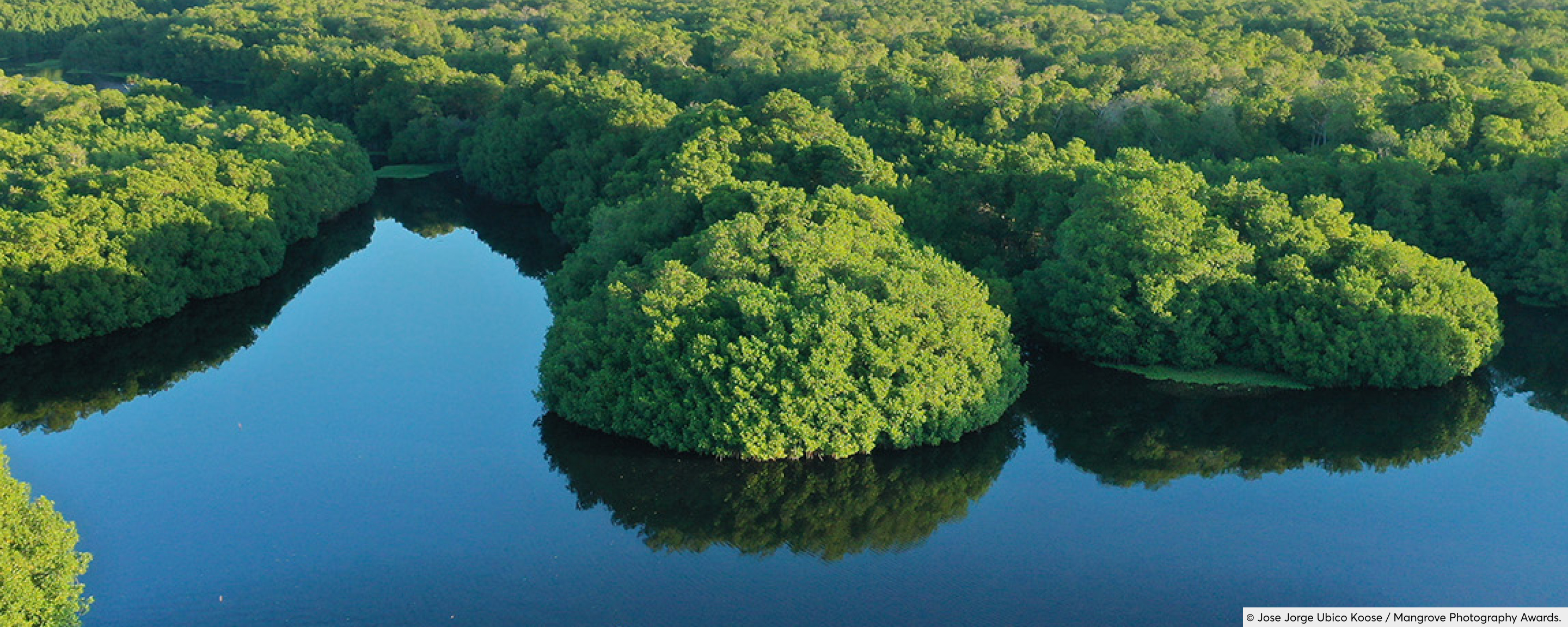
Mangrove forests are vital coastal ecosystems that support rich biodiversity, provide essential resources to vulnerable communities, and act as natural barriers against hurricanes and tsunamis. In addition, mangroves sequester carbon in their living biomass and in the top meter of soil, making them important CO2 sinks. Globally, more than 50% of mangroves have been lost since 1980. Key factors contributing to this loss include conversion to aquaculture, oil palm plantations, and rice cultivation, which together account for 43% of mangrove loss between 2000 and 2020.*
The Global Mangrove Alliance (GMA) brings together NGOs, governments, scientists, businesses, local communities, and funders to protect and restore mangrove ecosystems worldwide. By integrating the knowledge and priorities of local communities, the Alliance seeks to restore mangrove habitats and enhance their resilience to climate change. Through collaboration and innovation, GMA addresses key barriers to large-scale mangrove conservation by promoting sustainable livelihoods, improving access to financing, strengthening policy frameworks, building local capacity and sharing knowledge that supports climate resilience and community prosperity.
With total funding of EUR 1 million over four years from the HUGO BOSS Foundation, the GMA supports community-led restoration, conservation, and monitoring initiatives, ensuring that those who depend on mangroves are at the heart of protecting them. GMA also promotes gender-responsive economic initiatives, such as savings and loans groups, creating alternative income streams that ease pressure on natural resources while strengthening financial resilience. In addition, targeted capacity building and skills development enable local stakeholders to manage their ecosystems more sustainably, and to shape their own long-term development.
*Source: Global Mangrove Alliance, 2024
IMPACT
With support from the HUGO BOSS Foundation
ha sustainably managed
20,000
ha restored
100
Sustainable value chains for local products set up
10

Africa is home to 20% of the world’s mangroves with most of them located in West Africa, where they are disappearing much faster than the global average. We greatly appreciate the HUGO BOSS Foundation’s donation which will be directed towards community-led restoration, conservation, monitoring, skills development as well as strengthening collaboration both regionally and globally.